People often come to a consultation expecting a simple story: a few quick shots, smoother skin, back to work. Botox can be that straightforward, but good results come from nuance, anatomy, and restraint. If you are considering botox cosmetic injections, it helps to understand what they do, what they do not do, and how thoughtful technique shapes the outcome.

What exactly is Botox, and how does it work
Botox Cosmetic is a purified form of onabotulinumtoxinA, a neurotoxin that temporarily relaxes muscles by blocking the release of acetylcholine at the neuromuscular junction. In everyday language, it weakens the muscles that create dynamic facial lines. When those muscles soften, the overlying skin creases less, which reduces the appearance of wrinkles and can prevent new ones from etching deeper.
The effect is local, dose dependent, and temporary. It does not travel throughout your body when injected correctly. Facial expression remains, but the sharpness of lines from repeated movement is muted. This is why botox for frown lines and botox for crow's feet are such common requests. Those areas are driven by strong, repetitive muscle actions that respond predictably to treatment.
What botox can treat on the face
In the cosmetic setting, three areas have long track records and formal approvals in many countries.
- Glabellar frown lines between the eyebrows, often called the 11s. This is where botox frown line treatment tends to give the most gratifying softening. Lateral canthal lines at the outer corners of the eyes, better known as crow's feet. Botox crow feet treatment relaxes the orbicularis oculi muscle, which fans out from the eye. Horizontal forehead lines. Botox forehead treatment lowers the activity of the frontalis muscle that lifts the brows and creates transverse lines.
Beyond those, experienced injectors frequently perform off label botox facial injections for:
- Bunny lines on the upper nose. Subtle brow shaping or a small brow lift by balancing forehead elevators and glabellar depressors, sometimes called botox brow line treatment. A gummy smile, by modulating the elevator muscles of the upper lip. Downturned mouth corners, softening a resting frown. Pebbled chin (the mentalis) and bands in the neck (the platysma), though neck work is advanced and requires careful dosing.
Botox wrinkle treatment focuses on expression lines, not volume loss. It smooths, it does not fill. That distinction matters, because forehead wrinkles from overactive muscles respond well to botox wrinkle injections, while deep static folds from thinning skin or lost fat may need fillers, skin resurfacing, or both for complete correction.
The timeline you can expect
You will not walk out of the office looking different. The neurotoxin needs time to bind, and most people feel the early effects 2 to 4 days after botox injections. The full effect typically peaks at 10 to 14 days. Duration varies with dose, muscle size, individual metabolism, and how expressive you are, but a reasonable range is 3 to 4 months. Some patients get closer to 5 or 6 months in lower movement areas like crow's feet, while heavy frowners or athletic patients may feel the need for maintenance closer to every 12 weeks.
First time patients sometimes need a minor dose adjustment at the two week mark. Muscles are not uniform. One corrugator may be stronger than the other. A small asymmetric tweak can make a big difference. A seasoned injector plans for that check in when setting expectations.
Doses, units, and what those numbers mean
A common question is how many units a botox cosmetic procedure requires. It depends on the area, your anatomy, and your goals. Numbers vary, but these ballparks help:
- Glabella: often 15 to 25 units total across 5 typical injection points. Forehead: 8 to 20 units, spread in a pattern that respects brow position. Conservative dosing avoids a heavy brow. Crow's feet: 6 to 12 units per side. Bunny lines: 2 to 5 units per side. Lip lines or a lip flip: 2 to 8 units total, highly individualized. Chin dimpling: 4 to 10 units. Neck bands: widely variable, often 20 to 60 units across multiple points, only for suitable candidates.
These are guides, not rules. Men often need higher doses because they have thicker muscles. A petite forehead with low set brows may need a fraction of what a tall forehead with strong lift requires. Good botox wrinkle management treatment balances softening with function so your face still looks like yours.
It is worth noting that units are not interchangeable across brands. Botox Cosmetic, Dysport, Xeomin, and Jeuveau are all botulinum toxin type A, but their unit potencies differ. An injector familiar with each product calibrates the dose accordingly. For most patients, the difference in real world results is subtle, but diffusion and onset can feel slightly different from brand to brand.
What the appointment feels like
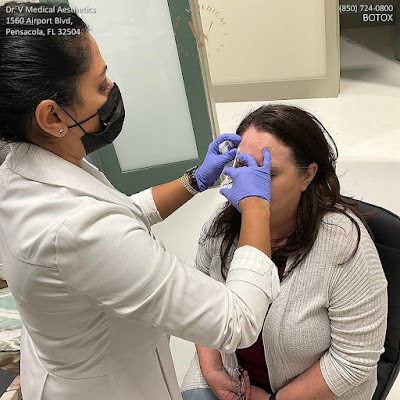
Botox injection treatment is one of the more efficient visits in aesthetic medicine. A first appointment with a full facial assessment may take 30 to 45 minutes, including photography, consent, and mapping injection points. The actual injections take 5 to 10 minutes. We work with a tiny needle, often 30 or 32 gauge, and most patients describe the sensation as quick pinches with a fleeting sting.
Numbing cream is rarely needed for the upper face. For the lip area, which is sensitive, ice or topical anesthetic can help. Mild pressure after each point reduces bleeding. Without blood thinners on board, bruising is minimal. It still happens, because the face is full of small vessels, but careful technique reduces the risk.
A short, practical checklist before your visit
- Avoid aspirin, ibuprofen, and naproxen for 5 to 7 days if your doctor agrees, to reduce bruising. Skip fish oil, high dose vitamin E, and ginkgo the week before for the same reason. Do not drink alcohol the night before or day of your appointment. Reschedule if you have an active infection, cold sore flare on the face, or a rash where we plan to inject. Come with a clean face, no heavy makeup or self tanner on the treatment zones.
These are general suggestions. Your injector will tailor guidance if you take necessary medications, such as prescription anticoagulants. We never advise stopping a medication without your prescribing clinician’s approval.
Immediate aftercare that actually matters
- Stay upright for 3 to 4 hours. No naps that press your face against a pillow. Skip strenuous exercise the rest of the day. A next day workout is fine. Do not massage or rub the treated areas for 24 hours, including facials or aggressive cleansing. Avoid tight hats or headbands that compress the forehead during the first day. Use makeup if you like, but apply it gently and keep brushes clean to avoid irritation.
Ice helps if there is a small bruise. Arnica gel is safe and popular, though the evidence is mixed. If you see a pea sized bump at an injection site, that is just fluid and it settles within an hour.
Safety profile, side effects, and how to lower your risks
Botox cosmetic injections have been used for decades across millions of treatments. Most side effects are mild and short lived. You might see pinpoint bleeding, a faint bruise, or a small headache later that day. Some people feel a sense of brow heaviness for a week until the dose settles and the opposing muscles balance out.
More significant risks exist, but they are uncommon. Eyelid ptosis, or a drooping upper eyelid, occurs when the product diffuses into the levator palpebrae muscle. This is usually a technique problem or the result of post procedure rubbing that moves the product. The rate in published studies ranges from well under 1 percent to a few percent, depending on dose and placement. When it happens, the effect is temporary and usually improves within a few weeks. Eye drops can help open the eyelid while you wait.
A peaked or Spock brow occurs if the outer forehead is under treated relative to the center. It is correctable with a touch of botox to the tail of the frontalis. Smile changes from crow's feet injections can occur if the zygomaticus muscles are inadvertently affected, which is why we avoid injections too close to the mid cheek in certain faces. Lower face work always demands extra caution, because small doses can change lip control or chewing temporarily.
Allergic reactions to the product are rare. The formulation contains human albumin. If you have a known sensitivity or you are uncomfortable with that ingredient, discuss it with your clinician. People with neuromuscular disorders, such as myasthenia gravis or ALS, should avoid botox therapy unless managed under a specialist’s guidance. Pregnant or breastfeeding patients should wait. Active skin infections in the target area are a temporary no.
Medications that increase bleeding, such as anticoagulants, do not prevent treatment but raise the chance of bruising. Antibiotics in the aminoglycoside botox Pensacola class and certain muscle relaxants can theoretically interact with botulinum toxin. Always provide a complete medication list.
Setting realistic goals
A natural result preserves your expression. The arch in your brow should not vanish, and your smile should feel like your smile. That guiding principle means your injector will ask how you use your face. Do you rely on your forehead to keep your lids open because your brows sit low? If so, heavy forehead dosing will drop your brows and make your eyes feel smaller. In that case, we adjust the balance of glabella and forehead points and reduce the forehead dose. The outcome is a softer look without traded heaviness.
Deep, etched lines are a special case. Botox is excellent at botox wrinkle prevention and botox wrinkle reduction in dynamic lines, but it cannot erase every crease. Long standing forehead creases or etched crow's feet may need a combination plan: neuromodulator to stop the motion that creates the line, plus resurfacing like lasers or microneedling, or a hyaluronic acid filler for stubborn folds. We often stage treatments. First, calm the muscle movement. Then reassess the skin quality in 4 to 6 weeks to see what still needs help.
An example from practice
A 38 year old marketing manager came in with two concerns: a constant 11 between her brows and eye wrinkles that made her look tired in photos. She raises her brows a lot when she talks, and she feared a frozen look. On exam, her brows sat low at rest and her frontalis was doing the work of keeping her eyes open. We chose a conservative plan: 18 units across the glabella to relax the frown, 8 units across her upper forehead in a high pattern to protect brow position, and 8 units per side at the crow's feet. At her two week check, her 11s were gone and her smile lines were much softer, but she asked for a hair more at the outer brows to quiet a faint peak. We added 2 units on each side. She has since followed a 4 month maintenance schedule. Her feedback was simple, she looked more rested, not different.
That kind of small calibration is the rule, not the exception. Faces are not symmetrical. A thoughtful injector sees the stronger side and fine tunes the plan.
Cost and value
Pricing varies by region, injector experience, and whether clinics charge per unit or per area. In the United States, per unit pricing typically ranges from about 10 to 20 dollars. A glabella treatment might be 200 to 400 dollars if priced per area, or comparable if priced per unit depending on the dose. Full upper face treatments that combine the glabella, forehead, and crow's feet often fall between 450 and 900 dollars. Beware of deep discounts that imply excessive dilution or rushed care. Product integrity and injector time cost money. You are paying for both the drug and the clinician’s judgment.
Technique matters more than hype
You will see many phrases online: botox skin rejuvenation, botox face rejuvenation, botox wrinkle smoothing, botox cosmetic wrinkle treatment. All of those point to the same core idea. The product is reliable, but results live or die on anatomy and placement.
- Good mapping respects the direction of muscle fibers and where those muscles overlap. The corrugator runs obliquely, and an injection too close to the orbital rim invites ptosis. An injection too medial into the procerus misses the muscle belly that creates the 11s. Forehead dosing must match brow support. Strong glabellar dosing with light forehead dosing often preserves a more open eye. Crow's feet work adjusts for eye shape. People whose smiles pull their cheeks high need injections placed slightly more lateral and superior to avoid smile weakness.
Experienced injectors learn from patterns and outliers. Some patients metabolize faster. Some foreheads react to even tiny doses with heaviness. Tracking past treatments helps tailor future ones.
Who is a good candidate
Ideal candidates have dynamic lines that appear or worsen with expression and good skin elasticity. Many start botox wrinkle prevention around their late 20s or early 30s as a light touch to keep lines from setting in. Others begin later, seeking botox anti aging treatment when lines become more visible in photos or video calls. Both routes can work. The best results come with a plan that fits your face, not your age.
If you have significant eyelid hooding or brow ptosis, we proceed cautiously with forehead injections. Heavy upper eyelids sometimes benefit more from addressing skin redundancy or brow position surgically, while using botox cosmetic face treatment as a secondary tool. The reverse is also true. A patient with a high arched brow and minimal eyelid skin often tolerates more forehead dosing and enjoys a smooth, bright forehead without compromise.
Myths that deserve a reality check
You will not become dependent on botox. When it wears off, your muscles return to their baseline. You do not age faster without it. That said, consistent treatment slows the deepening of lines over time, because the skin is not being creased as often. People who pause after a few years usually notice that their untreated lines are still better than if they had never done anything.
Frozen is not inevitable. Over treatment freezes expression. Balanced botox facial treatment softens expression lines while keeping your face animated. A lot of the fear comes from seeing work that is too heavy or ill placed.
Bruises are not a sign of a bad injector. They happen to careful injectors, too, especially in those with delicate skin or on supplements that thin the blood. Timing treatments at least 2 weeks before big events gives wiggle room for the rare bruise.
The choice between brands
Patients sometimes ask if they should switch from Botox to Dysport, Xeomin, or Jeuveau. All can be excellent. Xeomin lacks complexing proteins, which some people prefer conceptually. Dysport can have a slightly quicker onset in anecdotal reports. Jeuveau positions itself as purely aesthetic. Units are not interchangeable, and preferences are personal. If you have had reliable results with one brand, stick with it. If you feel your duration is short, a trial with another brand makes sense. The injector’s comfort level with the product often matters more than the label on the vial.
Combining botox with other treatments
Botox works well in a layered approach. Chemical peels, microneedling, and fractional lasers improve skin texture and pigment. Hyaluronic acid fillers restore volume. Energy based skin tightening helps laxity. Well timed sequences avoid interference. As a rule, do botox first, let the muscles settle for 1 to 2 weeks, then peel or laser. If you are doing filler in the same areas, many of us prefer to inject filler a week or more after botox. A calmer muscle bed can make filler placement more precise.
Skincare supports all of it. Daily sunscreen, a retinoid if you tolerate it, and stable vitamin C change the quality of your skin over time. Botox for aging skin smooths movement, but skin health brings the glow.
What can go wrong and how we fix it
Even in good hands, adjustments are sometimes needed. A peaked brow, as mentioned, is corrected by softening the lateral frontalis with a tiny dose. A brow that feels too heavy usually gets better as the glabella relaxes the depressors and the forehead regains a little lift, but if it persists, we lighten future forehead dosing and focus more on the frown complex. A smile that feels tight after crow's feet work typically resolves within a few weeks. Precise mapping next time prevents a repeat.
The rare eyelid ptosis gets apraclonidine or oxymetazoline drops to stimulate Muller’s muscle and lift the lid a few millimeters while the botox effect dissipates. Patients often feel anxious when this happens. Clear communication and scheduled follow ups make a difference. Because the effect is temporary, patience is part of the solution.
Special situations
Athletes who do high intensity cardio and have lower body fat sometimes report a shorter duration, possibly due to higher metabolism and stronger underlying muscles. They do well with a slightly higher dose or a shorter interval.
Men frequently need more units for botox wrinkle reduction injections, especially in the glabella. The goal is the same, soften, not erase. Asking men to avoid forehead heaviness is just as important, since heavier brows can make the eyes look smaller.
Darker skin types form dynamic lines just like lighter skin types, but they often show less textural change from sun over time. That can make botox wrinkle smoothing injections feel especially gratifying, because the contrast between smoother movement lines and overall even tone is noticeable. Post inflammatory hyperpigmentation risk from the injections themselves is low compared to energy devices, which is another reason to stage treatments wisely.

How to choose an injector
Credentials matter, but so does an aesthetic eye. Look at before and after photos for faces like yours. Ask how they decide on dosing. A good consultation feels like a conversation about goals, not a sales pitch. If someone recommends the same botox wrinkle relaxing treatment for every face, keep looking. Thoughtful clinicians explain trade offs. For example, they will tell a patient with brow ptosis that heavy forehead dosing can drop the brows further, so the plan will weight the glabella and go lighter on the frontalis.
Availability for follow up matters. Small tweaks are part of premium care. If your schedule is packed, plan your visit with enough time to come back in two weeks if needed.
The broader view of maintenance
Long term, the rhythm of botox cosmetic therapy is personal. Some like a steady 3 to 4 month schedule. Others time their botox anti aging injections around life events or seasons, treating twice a year. More frequent treatment does not make problems less likely. It simply keeps the effect more constant. If budget is a consideration, prioritize the area that bothers you most. For many, treating the glabella alone improves the entire upper face by removing the angry or worried appearance that strong frown lines create.
Half doses as a test can work for the anxious or the newly curious. You might see subtler smoothing with a shorter duration, but it lets you experience botox cosmetic wrinkle reduction without committing to a strong effect. Once comfortable, you can calibrate to your ideal strength.
Frequently asked questions worth addressing
Will my face look weird when it wears off in spots at different times? The fade is gradual. You might notice a bit of movement returning in one area before another, but it rarely looks odd to anyone but you.
Can I do it during lunch and go back to work? Yes. Bumps settle quickly. A tiny bruise is possible but usually coverable with concealer.
Do I need to stop retinoids or acids? Not for botox. Those recommendations are for peels and lasers. Keep your skincare steady.
Is there a non injectable option that works the same way? No topical currently duplicates the muscle relaxing effect of neuromodulators. Good skincare improves the canvas, not the muscle movement under it. Some microcurrent devices claim subtle lifting, but results are modest and require regular use.
What about resistance? True clinical resistance to onabotulinumtoxinA is rare in cosmetic dosing. If duration shortens over time without clear cause, switching brands or adjusting dose and placement almost always restores results.
Bringing it together
Botox aesthetic treatment is a tool. Used thoughtfully, it softens frown lines, relaxes forehead creases, and smooths crow's feet so you look rested and approachable. The best botox face treatment blends science with judgment. Appropriate dosing, careful mapping, and honest dialogue about goals keep results natural. Whether you want botox for forehead wrinkles, botox for facial lines, or broader botox facial rejuvenation, choose an injector who sees your face as a dynamic whole, not just a set of injection points. The difference shows every time you raise your brows, smile in a photo, or catch yourself in a mirror and think, I look like me, just a little softer.